
by 3PB Team
Share
by 3PB Team
Share
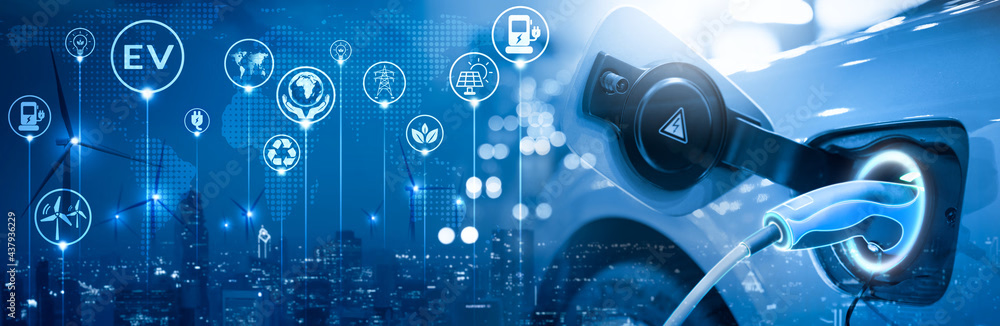
As the global shift toward sustainable transportation accelerates, electric vehicles are transforming the automotive industry. While most conversations around EVs focus on batteries, charging infrastructure, and software, there’s a lesser known yet crucial material quietly enabling these innovations: silicone.
Silicone based materials are essential to the safety, efficiency, and longevity of EVs. Their unique combination of flexibility, heat resistance, electrical insulation, and durability make them indispensable across a range of EV systems from battery packs to charging units and interior components.
Let’s take a closer look at the roles of silicone in electric vehicles.
Uses of Silicone in Electric Vehicles:
1. Thermal Management in EV Batteries
EV batteries generate significant heat during charging and discharging cycles. Effective thermal management is critical to maintaining battery performance, safety, and lifespan.
Silicone based thermal interface materials (TIMs) such as pastes, pads, and gels are used between battery cells and cooling systems to improve heat dissipation, prevent overheating, and ensure consistent temperature distribution.
Thanks to their thermal stability and low thermal resistance, silicone TIMs help EVs operate efficiently even under demanding conditions.
2. Electrical Insulation and Safety
Electric vehicles run on high voltage systems, which makes electrical insulation vital. Silicone offers excellent dielectric properties, even in extreme temperatures and humid environments. Applications include: insulated coatings, encapsulants, gasketing and sealing. These uses ensure safe energy transfer while protecting against electrical faults, corrosion, and environmental contamination.
3. Durability in Harsh Conditions
EV components are exposed to a variety of stresses: vibration, moisture, dust, temperature swings, and chemicals. Silicone stands out because it resists UV rays, ozone, and weathering, maintains flexibility from -60°C to over 200°C, and has excellent sealing and bonding properties. This durability is why gaskets, seals, and adhesives made of silicone are used in battery enclosures, charging ports, lighting systems, and more.

4. Lightweight Design and Energy Efficiency
Reducing vehicle weight is essential for increasing driving range and energy efficiency. Silicone-based foams and sealants are used as lightweight alternatives to heavier materials for insulation, vibration damping, and structural bonding, all without compromising performance or safety.
5. Comfort and Innovation in Interiors
Silicone isn’t just for under the hood components, it also plays a role inside the cabin. Its soft-touch texture, durability, and chemical resistance make it ideal for touchscreens and keypads, weather stripping and seals, and interior trim and grommets. Silicone helps create a quiet, comfortable, and modern user experience while meeting strict environmental and safety standards.
Paving the Road to a Sustainable Future
The rise of electric vehicles is reshaping what’s possible in automotive design and silicone is a silent yet powerful enabler of this transformation. From extending battery life to protecting sensitive electronics and enhancing user experience, silicone materials are helping manufacturers build EVs that are safer, more reliable, and more efficient.
As EV technology continues to evolve, the demand for high performance silicone solutions will only grow, driving not just innovation, but a cleaner, smarter transportation future.
Contact us today for your silicone EV components – nibu@jamak.com
As the global shift toward sustainable transportation accelerates, electric vehicles are transforming the automotive industry. While most conversations around EVs focus on batteries, charging infrastructure, and software, there’s a lesser known yet crucial material quietly enabling these innovations: silicone.
Silicone based materials are essential to the safety, efficiency, and longevity of EVs. Their unique combination of flexibility, heat resistance, electrical insulation, and durability make them indispensable across a range of EV systems from battery packs to charging units and interior components.
Let’s take a closer look at the roles of silicone in electric vehicles.
Uses of Silicone in Electric Vehicles:
1. Thermal Management in EV Batteries
EV batteries generate significant heat during charging and discharging cycles. Effective thermal management is critical to maintaining battery performance, safety, and lifespan.
Silicone based thermal interface materials such as pastes, pads, and gels are used between battery cells and cooling systems to improve heat dissipation, prevent overheating, and ensure consistent temperature distribution.
Thanks to their thermal stability and low thermal resistance, silicone TIMs help EVs operate efficiently even under demanding conditions.
2. Electrical Insulation and Safety
Electric vehicles run on high voltage systems, which makes electrical insulation vital. Silicone offers excellent dielectric properties, even in extreme temperatures and humid environments. Applications include: insulated coatings, encapsulants, gasketing and sealing. These uses ensure safe energy transfer while protecting against electrical faults, corrosion, and environmental contamination.
3. Durability in Harsh Conditions
EV components are exposed to a variety of stresses: vibration, moisture, dust, temperature swings, and chemicals. Silicone stands out because it resists UV rays, ozone, and weathering, maintains flexibility from -60°C to over 200°C, and has excellent sealing and bonding properties. This durability is why gaskets, seals, and adhesives made of silicone are used in battery enclosures, charging ports, lighting systems, and more.
4. Lightweight Design and Energy Efficiency
Reducing vehicle weight is essential for increasing driving range and energy efficiency. Silicone based foams and sealants are used as lightweight alternatives to heavier materials for insulation, vibration damping, and structural bonding, all without compromising performance or safety.
5. Comfort and Innovation in Interiors
Silicone isn’t just for under the hood components, it also plays a role inside the cabin. Its soft-touch texture, durability, and chemical resistance make it ideal for touchscreens and keypads, weather stripping and seals, and interior trim and grommets. Silicone helps create a quiet, comfortable, and modern user experience while meeting strict environmental and safety standards.
Paving the Road to a Sustainable Future
The rise of electric vehicles is reshaping what’s possible in automotive design and silicone is a silent yet powerful enabler of this transformation. From extending battery life to protecting sensitive electronics and enhancing user experience, silicone materials are helping manufacturers build EVs that are safer, more reliable, and more efficient.
As EV technology continues to evolve, the demand for high performance silicone solutions will only grow, driving not just innovation, but a cleaner, smarter transportation future.
Contact us today for your silicone EV components – nibu@jamak.com
As the global shift toward sustainable transportation accelerates, electric vehicles are transforming the automotive industry. While most conversations around EVs focus on batteries, charging infrastructure, and software, there’s a lesser known yet crucial material quietly enabling these innovations: silicone.
Silicone based materials are essential to the safety, efficiency, and longevity of EVs. Their unique combination of flexibility, heat resistance, electrical insulation, and durability make them indispensable across a range of EV systems from battery packs to charging units and interior components.
Let’s take a closer look at the roles of silicone in electric vehicles.
Uses of Silicone in Electric Vehicles:
1. Thermal Management in EV Batteries
EV batteries generate significant heat during charging and discharging cycles. Effective thermal management is critical to maintaining battery performance, safety, and lifespan.
Silicone based thermal interface materials (TIMs) such as pastes, pads, and gels are used between battery cells and cooling systems to improve heat dissipation, prevent overheating, and ensure consistent temperature distribution.
Thanks to their thermal stability and low thermal resistance, silicone TIMs help EVs operate efficiently even under demanding conditions.
2. Electrical Insulation and Safety
Electric vehicles run on high voltage systems, which makes electrical insulation vital. Silicone offers excellent dielectric properties, even in extreme temperatures and humid environments. Applications include: insulated coatings, encapsulants, gasketing and sealing. These uses ensure safe energy transfer while protecting against electrical faults, corrosion, and environmental contamination.
3. Durability in Harsh Conditions
EV components are exposed to a variety of stresses: vibration, moisture, dust, temperature swings, and chemicals. Silicone stands out because it resists UV rays, ozone, and weathering, maintains flexibility from -60°C to over 200°C, and has excellent sealing and bonding properties. This durability is why gaskets, seals, and adhesives made of silicone are used in battery enclosures, charging ports, lighting systems, and more.
4. Lightweight Design and Energy Efficiency
Reducing vehicle weight is essential for increasing driving range and energy efficiency. Silicone-based foams and sealants are used as lightweight alternatives to heavier materials for insulation, vibration damping, and structural bonding, all without compromising performance or safety.
5. Comfort and Innovation in Interiors
Silicone isn’t just for under the hood components, it also plays a role inside the cabin. Its soft-touch texture, durability, and chemical resistance make it ideal for touchscreens and keypads, weather stripping and seals, and interior trim and grommets. Silicone helps create a quiet, comfortable, and modern user experience while meeting strict environmental and safety standards.
Paving the Road to a Sustainable Future
The rise of electric vehicles is reshaping what’s possible in automotive design and silicone is a silent yet powerful enabler of this transformation. From extending battery life to protecting sensitive electronics and enhancing user experience, silicone materials are helping manufacturers build EVs that are safer, more reliable, and more efficient.
As EV technology continues to evolve, the demand for high performance silicone solutions will only grow, driving not just innovation, but a cleaner, smarter transportation future.
Contact us today for your silicone EV components – nibu@jamak.com
As the global shift toward sustainable transportation accelerates, electric vehicles are transforming the automotive industry. While most conversations around EVs focus on batteries, charging infrastructure, and software, there’s a lesser known yet crucial material quietly enabling these innovations: silicone.
Silicone based materials are essential to the safety, efficiency, and longevity of EVs. Their unique combination of flexibility, heat resistance, electrical insulation, and durability make them indispensable across a range of EV systems from battery packs to charging units and interior components.
Let’s take a closer look at the roles of silicone in electric vehicles.
Uses of Silicone in Electric Vehicles:
1. Thermal Management in EV Batteries
EV batteries generate significant heat during charging and discharging cycles. Effective thermal management is critical to maintaining battery performance, safety, and lifespan.
Silicone based thermal interface materials such as pastes, pads, and gels are used between battery cells and cooling systems to improve heat dissipation, prevent overheating, and ensure consistent temperature distribution.
Thanks to their thermal stability and low thermal resistance, silicone TIMs help EVs operate efficiently even under demanding conditions.
2. Electrical Insulation and Safety
Electric vehicles run on high voltage systems, which makes electrical insulation vital. Silicone offers excellent dielectric properties, even in extreme temperatures and humid environments. Applications include: insulated coatings, encapsulants, gasketing and sealing. These uses ensure safe energy transfer while protecting against electrical faults, corrosion, and environmental contamination.
3. Durability in Harsh Conditions
EV components are exposed to a variety of stresses: vibration, moisture, dust, temperature swings, and chemicals. Silicone stands out because it resists UV rays, ozone, and weathering, maintains flexibility from -60°C to over 200°C, and has excellent sealing and bonding properties. This durability is why gaskets, seals, and adhesives made of silicone are used in battery enclosures, charging ports, lighting systems, and more.
4. Lightweight Design and Energy Efficiency
Reducing vehicle weight is essential for increasing driving range and energy efficiency. Silicone based foams and sealants are used as lightweight alternatives to heavier materials for insulation, vibration damping, and structural bonding, all without compromising performance or safety.
5. Comfort and Innovation in Interiors
Silicone isn’t just for under the hood components, it also plays a role inside the cabin. Its soft-touch texture, durability, and chemical resistance make it ideal for touchscreens and keypads, weather stripping and seals, and interior trim and grommets. Silicone helps create a quiet, comfortable, and modern user experience while meeting strict environmental and safety standards.
Paving the Road to a Sustainable Future
The rise of electric vehicles is reshaping what’s possible in automotive design and silicone is a silent yet powerful enabler of this transformation. From extending battery life to protecting sensitive electronics and enhancing user experience, silicone materials are helping manufacturers build EVs that are safer, more reliable, and more efficient.
As EV technology continues to evolve, the demand for high performance silicone solutions will only grow, driving not just innovation, but a cleaner, smarter transportation future.
Contact us today for your silicone EV components – nibu@jamak.com
