
by 3PB Team
Share
by 3PB Team
Share
In the world of electromagnetic interference control, much of the focus tends to be on high frequency threats: GHz-range wireless signals, 5G, radar, and beyond. But low radio frequencies, typically 10 kHz to 300 MHz, can be just as disruptive, especially in today’s increasingly connected and sensitive environments.
To manage these challenges, engineers are turning to low frequency RF absorbers, that are specialized materials designed to attenuate electromagnetic energy at longer wavelengths. While traditionally more difficult to absorb due to their low energy and deep penetration, recent material advances are unlocking exciting new possibilities.
What Are Low Frequency RF Absorbers?
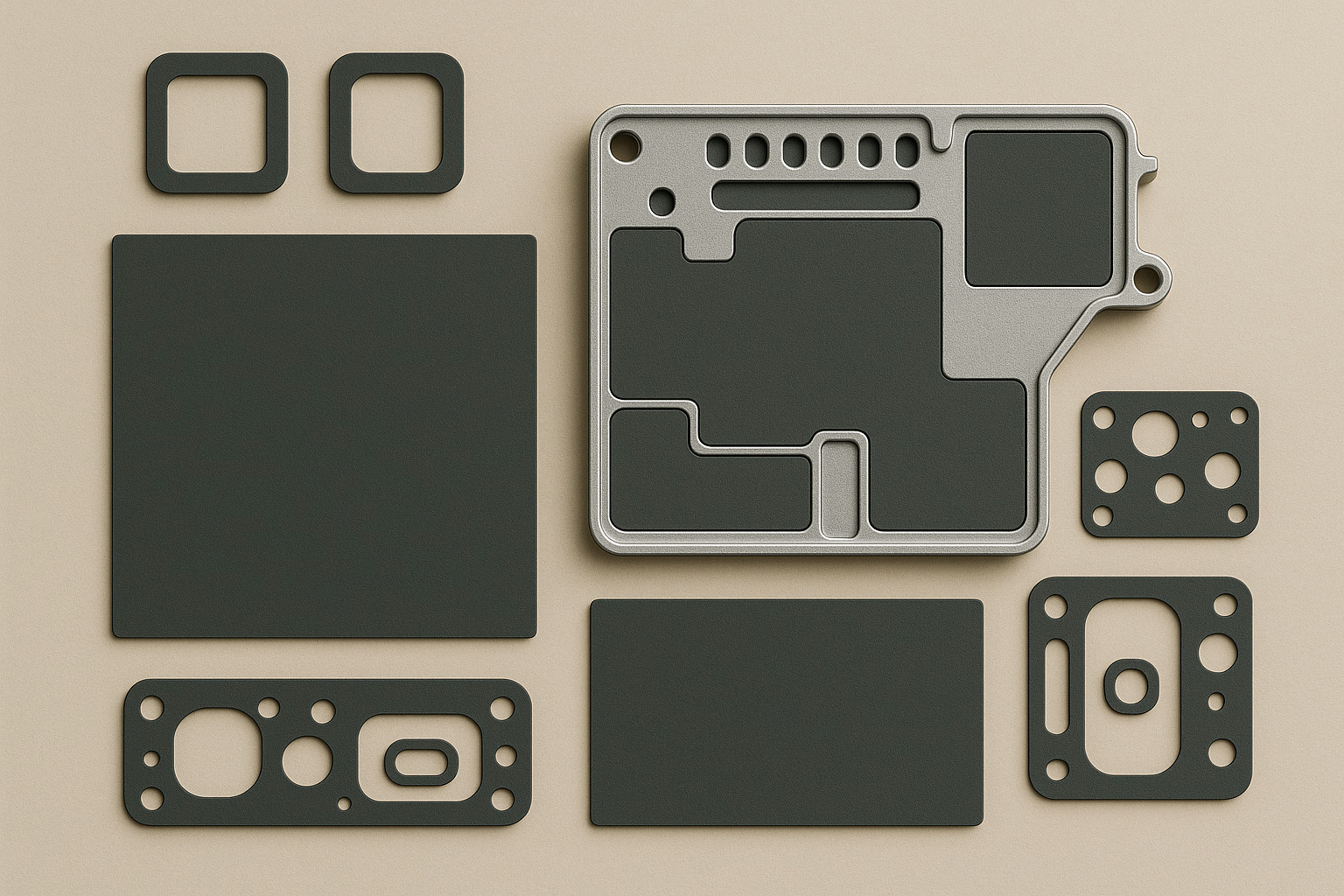
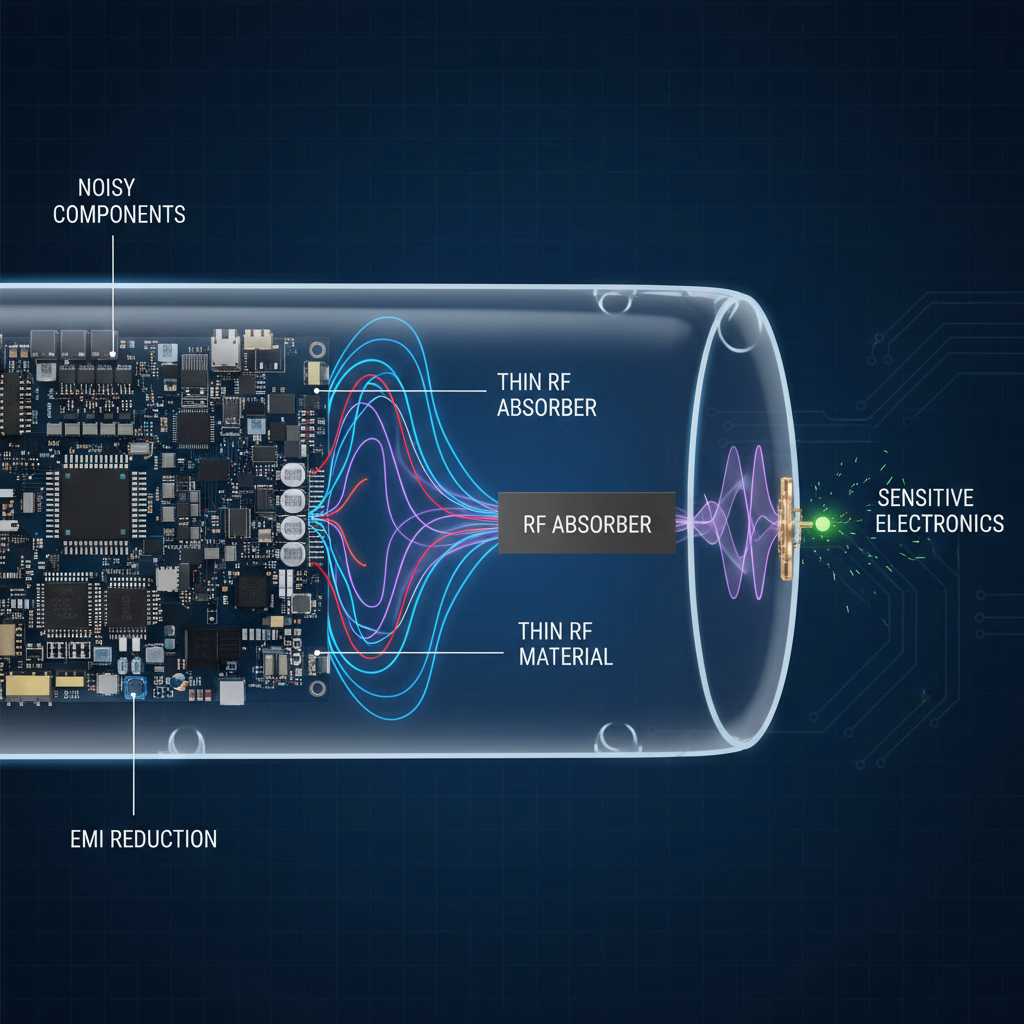
Low frequency RF absorbers are engineered materials, often ferrite based or magnetically loaded composites, that can absorb electromagnetic waves in the lower end of the RF spectrum. Unlike foam based absorbers designed for high frequency use, these materials tend to be denser, thinner, and magnetic, allowing them to interact more effectively with long wavelength signals.
Low frequency RF absorbers help address these risks in ways traditional shielding or filtering methods can’t always achieve.
Top Potential Uses for Low Frequency RF Absorbers
1. EMC Compliance in Industrial and Power Electronics
Variable frequency drives, motor controllers, and high power switching supplies generate strong low frequency emissions below 100 MHz. These emissions can cause devices to fail EMC compliance tests.
Solution: Ferrite based RF absorber sheets or tiles can be applied inside enclosures or near switching components to suppress emissions at the source, without redesigning the entire circuit.
2. Shielding Magnetic Field Sensors
Devices like compasses, magnetometers, or Hall-effect sensors are extremely sensitive to low frequency magnetic fields. These fields can distort readings and degrade performance.
Solution: Low frequency absorbers can isolate these sensors from surrounding electronics or environmental noise, preserving signal integrity in navigation, robotics, and medical applications.
3. Suppressing EMI in Medical Equipment
MRI machines, infusion pumps, and patient monitors operate in environments rich in low frequency electromagnetic fields, especially around power lines and industrial devices. Even small levels of interference can affect accuracy and safety.
Solution: Embedding low frequency RF absorbers inside medical equipment can improve shielding effectiveness where conductive solutions like metal cans fall short.

4. Improving Audio System Performance
Audiophile grade amplifiers, preamps, and recording equipment are notoriously sensitive to low frequency EMI, which can introduce audible hum, distortion, or loss of detail.
Solution: RF absorbers placed in strategic locations (near transformers, power supplies, or signal paths) can reduce low frequency noise pickup and preserve audio fidelity.
5. Enhancing Electromagnetic Stealth
In defense applications, minimizing detectability across the entire RF spectrum is essential, including at low frequencies used by early warning radar and ground-penetrating systems.
Solution: Absorbers designed for low RF bands can reduce reflections and emissions, supporting electromagnetic camouflage strategies for vehicles, drones, and infrastructure.
6. Reducing EMI in Electric Vehicles
EVs generate substantial low frequency electromagnetic emissions due to high current power converters, battery systems, and motor drives. These can interfere with onboard communication, sensing, or external systems.
Solution: Integrated low frequency absorber materials can be used in EV power modules, cable shielding, or motor enclosures to minimize radiated and conducted EMI.
7. Improving Signal Isolation in IoT Devices
Low frequency interference can couple into signal lines and antennae in densely packed IoT devices, especially those co-located with power supplies or motors.
Solution: Flexible absorber films placed over PCB components or enclosures can help block low frequency fields and improve coexistence among subsystems.
Final Thoughts
While low frequency RF absorbers might not be as widely discussed as their high frequency counterparts, their value is rapidly growing. In a world where digital and analog technologies are increasingly co-located and devices operate in electromagnetically complex environments, low frequency absorbers provide a subtle yet powerful tool for performance, compliance, and innovation.
From medical labs to military systems, EVs to IoT modules, low frequency RF absorbers are emerging as silent protectors of signal integrity, device safety, and user experience.
In the world of electromagnetic interference control, much of the focus tends to be on high frequency threats: GHz-range wireless signals, 5G, radar, and beyond. But low radio frequencies, typically 10 kHz to 300 MHz, can be just as disruptive, especially in today’s increasingly connected and sensitive environments.
To manage these challenges, engineers are turning to low frequency RF absorbers, that are specialized materials designed to attenuate electromagnetic energy at longer wavelengths. While traditionally more difficult to absorb due to their low energy and deep penetration, recent material advances are unlocking exciting new possibilities.
What Are Low Frequency RF Absorbers?
Low frequency RF absorbers are engineered materials, often ferrite based or magnetically loaded composites, that can absorb electromagnetic waves in the lower end of the RF spectrum. Unlike foam based absorbers designed for high frequency use, these materials tend to be denser, thinner, and magnetic, allowing them to interact more effectively with long wavelength signals.
Low frequency RF absorbers help address these risks in ways traditional shielding or filtering methods can’t always achieve.
Top Potential Uses for Low Frequency RF Absorbers
1. EMC Compliance in Industrial and Power Electronics
Variable frequency drives, motor controllers, and high power switching supplies generate strong low frequency emissions below 100 MHz. These emissions can cause devices to fail EMC compliance tests.
Solution: Ferrite based RF absorber sheets or tiles can be applied inside enclosures or near switching components to suppress emissions at the source, without redesigning the entire circuit.
2. Shielding Magnetic Field Sensors
Devices like compasses, magnetometers, or Hall-effect sensors are extremely sensitive to low frequency magnetic fields. These fields can distort readings and degrade performance.
Solution: Low frequency absorbers can isolate these sensors from surrounding electronics or environmental noise, preserving signal integrity in navigation, robotics, and medical applications.
3. Suppressing EMI in Medical Equipment
MRI machines, infusion pumps, and patient monitors operate in environments rich in low frequency electromagnetic fields, especially around power lines and industrial devices. Even small levels of interference can affect accuracy and safety.
Solution: Embedding low frequency RF absorbers inside medical equipment can improve shielding effectiveness where conductive solutions like metal cans fall short.
4. Improving Audio System Performance
Audiophile grade amplifiers, preamps, and recording equipment are notoriously sensitive to low frequency EMI, which can introduce audible hum, distortion, or loss of detail.
Solution: RF absorbers placed in strategic locations (near transformers, power supplies, or signal paths) can reduce low frequency noise pickup and preserve audio fidelity.
5. Enhancing Electromagnetic Stealth
In defense applications, minimizing detectability across the entire RF spectrum is essential, including at low frequencies used by early warning radar and ground-penetrating systems.
Solution: Absorbers designed for low RF bands can reduce reflections and emissions, supporting electromagnetic camouflage strategies for vehicles, drones, and infrastructure.
6. Reducing EMI in Electric Vehicles
EVs generate substantial low frequency electromagnetic emissions due to high current power converters, battery systems, and motor drives. These can interfere with onboard communication, sensing, or external systems.
Solution: Integrated low frequency absorber materials can be used in EV power modules, cable shielding, or motor enclosures to minimize radiated and conducted EMI.
7. Improving Signal Isolation in IoT Devices
Low frequency interference can couple into signal lines and antennae in densely packed IoT devices, especially those co-located with power supplies or motors.
Solution: Flexible absorber films placed over PCB components or enclosures can help block low frequency fields and improve coexistence among subsystems.
Final Thoughts
While low frequency RF absorbers might not be as widely discussed as their high frequency counterparts, their value is rapidly growing. In a world where digital and analog technologies are increasingly co-located and devices operate in electromagnetically complex environments, low frequency absorbers provide a subtle yet powerful tool for performance, compliance, and innovation.
From medical labs to military systems, EVs to IoT modules, low frequency RF absorbers are emerging as silent protectors of signal integrity, device safety, and user experience.
In the world of electromagnetic interference control, much of the focus tends to be on high frequency threats: GHz-range wireless signals, 5G, radar, and beyond. But low radio frequencies, typically 10 kHz to 300 MHz, can be just as disruptive, especially in today’s increasingly connected and sensitive environments.
To manage these challenges, engineers are turning to low frequency RF absorbers, that are specialized materials designed to attenuate electromagnetic energy at longer wavelengths. While traditionally more difficult to absorb due to their low energy and deep penetration, recent material advances are unlocking exciting new possibilities.
What Are Low Frequency RF Absorbers?
Low frequency RF absorbers are engineered materials, often ferrite based or magnetically loaded composites, that can absorb electromagnetic waves in the lower end of the RF spectrum. Unlike foam based absorbers designed for high frequency use, these materials tend to be denser, thinner, and magnetic, allowing them to interact more effectively with long wavelength signals.
Low frequency RF absorbers help address these risks in ways traditional shielding or filtering methods can’t always achieve.
Top Potential Uses for Low Frequency RF Absorbers
1. EMC Compliance in Industrial and Power Electronics
Variable frequency drives, motor controllers, and high power switching supplies generate strong low frequency emissions below 100 MHz. These emissions can cause devices to fail EMC compliance tests.
Solution: Ferrite based RF absorber sheets or tiles can be applied inside enclosures or near switching components to suppress emissions at the source, without redesigning the entire circuit.
2. Shielding Magnetic Field Sensors
Devices like compasses, magnetometers, or Hall-effect sensors are extremely sensitive to low frequency magnetic fields. These fields can distort readings and degrade performance.
Solution: Low frequency absorbers can isolate these sensors from surrounding electronics or environmental noise, preserving signal integrity in navigation, robotics, and medical applications.
3. Suppressing EMI in Medical Equipment
MRI machines, infusion pumps, and patient monitors operate in environments rich in low frequency electromagnetic fields, especially around power lines and industrial devices. Even small levels of interference can affect accuracy and safety.
Solution: Embedding low frequency RF absorbers inside medical equipment can improve shielding effectiveness where conductive solutions like metal cans fall short.
4. Improving Audio System Performance
Audiophile grade amplifiers, preamps, and recording equipment are notoriously sensitive to low frequency EMI, which can introduce audible hum, distortion, or loss of detail.
Solution: RF absorbers placed in strategic locations (near transformers, power supplies, or signal paths) can reduce low frequency noise pickup and preserve audio fidelity.
5. Enhancing Electromagnetic Stealth
In defense applications, minimizing detectability across the entire RF spectrum is essential, including at low frequencies used by early warning radar and ground-penetrating systems.
Solution: Absorbers designed for low RF bands can reduce reflections and emissions, supporting electromagnetic camouflage strategies for vehicles, drones, and infrastructure.
6. Reducing EMI in Electric Vehicles
EVs generate substantial low frequency electromagnetic emissions due to high current power converters, battery systems, and motor drives. These can interfere with onboard communication, sensing, or external systems.
Solution: Integrated low frequency absorber materials can be used in EV power modules, cable shielding, or motor enclosures to minimize radiated and conducted EMI.
7. Improving Signal Isolation in IoT Devices
Low frequency interference can couple into signal lines and antennae in densely packed IoT devices, especially those co-located with power supplies or motors.
Solution: Flexible absorber films placed over PCB components or enclosures can help block low frequency fields and improve coexistence among subsystems.
Final Thoughts
While low frequency RF absorbers might not be as widely discussed as their high frequency counterparts, their value is rapidly growing. In a world where digital and analog technologies are increasingly co-located and devices operate in electromagnetically complex environments, low frequency absorbers provide a subtle yet powerful tool for performance, compliance, and innovation.
From medical labs to military systems, EVs to IoT modules, low frequency RF absorbers are emerging as silent protectors of signal integrity, device safety, and user experience.
In the world of electromagnetic interference control, much of the focus tends to be on high frequency threats: GHz-range wireless signals, 5G, radar, and beyond. But low radio frequencies, typically 10 kHz to 300 MHz, can be just as disruptive, especially in today’s increasingly connected and sensitive environments.
To manage these challenges, engineers are turning to low frequency RF absorbers, that are specialized materials designed to attenuate electromagnetic energy at longer wavelengths. While traditionally more difficult to absorb due to their low energy and deep penetration, recent material advances are unlocking exciting new possibilities.
What Are Low Frequency RF Absorbers?
Low frequency RF absorbers are engineered materials, often ferrite based or magnetically loaded composites, that can absorb electromagnetic waves in the lower end of the RF spectrum. Unlike foam based absorbers designed for high frequency use, these materials tend to be denser, thinner, and magnetic, allowing them to interact more effectively with long wavelength signals.
Low frequency RF absorbers help address these risks in ways traditional shielding or filtering methods can’t always achieve.
Top Potential Uses for Low Frequency RF Absorbers
1. EMC Compliance in Industrial and Power Electronics
Variable frequency drives, motor controllers, and high power switching supplies generate strong low frequency emissions below 100 MHz. These emissions can cause devices to fail EMC compliance tests.
Solution: Ferrite based RF absorber sheets or tiles can be applied inside enclosures or near switching components to suppress emissions at the source, without redesigning the entire circuit.
2. Shielding Magnetic Field Sensors
Devices like compasses, magnetometers, or Hall-effect sensors are extremely sensitive to low frequency magnetic fields. These fields can distort readings and degrade performance.
Solution: Low frequency absorbers can isolate these sensors from surrounding electronics or environmental noise, preserving signal integrity in navigation, robotics, and medical applications.
3. Suppressing EMI in Medical Equipment
MRI machines, infusion pumps, and patient monitors operate in environments rich in low frequency electromagnetic fields, especially around power lines and industrial devices. Even small levels of interference can affect accuracy and safety.
Solution: Embedding low frequency RF absorbers inside medical equipment can improve shielding effectiveness where conductive solutions like metal cans fall short.
4. Improving Audio System Performance
Audiophile grade amplifiers, preamps, and recording equipment are notoriously sensitive to low frequency EMI, which can introduce audible hum, distortion, or loss of detail.
Solution: RF absorbers placed in strategic locations (near transformers, power supplies, or signal paths) can reduce low frequency noise pickup and preserve audio fidelity.
5. Enhancing Electromagnetic Stealth
In defense applications, minimizing detectability across the entire RF spectrum is essential, including at low frequencies used by early warning radar and ground-penetrating systems.
Solution: Absorbers designed for low RF bands can reduce reflections and emissions, supporting electromagnetic camouflage strategies for vehicles, drones, and infrastructure.
6. Reducing EMI in Electric Vehicles
EVs generate substantial low frequency electromagnetic emissions due to high current power converters, battery systems, and motor drives. These can interfere with onboard communication, sensing, or external systems.
Solution: Integrated low frequency absorber materials can be used in EV power modules, cable shielding, or motor enclosures to minimize radiated and conducted EMI.
7. Improving Signal Isolation in IoT Devices
Low frequency interference can couple into signal lines and antennae in densely packed IoT devices, especially those co-located with power supplies or motors.
Solution: Flexible absorber films placed over PCB components or enclosures can help block low frequency fields and improve coexistence among subsystems.
Final Thoughts
While low frequency RF absorbers might not be as widely discussed as their high frequency counterparts, their value is rapidly growing. In a world where digital and analog technologies are increasingly co-located and devices operate in electromagnetically complex environments, low frequency absorbers provide a subtle yet powerful tool for performance, compliance, and innovation.
From medical labs to military systems, EVs to IoT modules, low frequency RF absorbers are emerging as silent protectors of signal integrity, device safety, and user experience.
